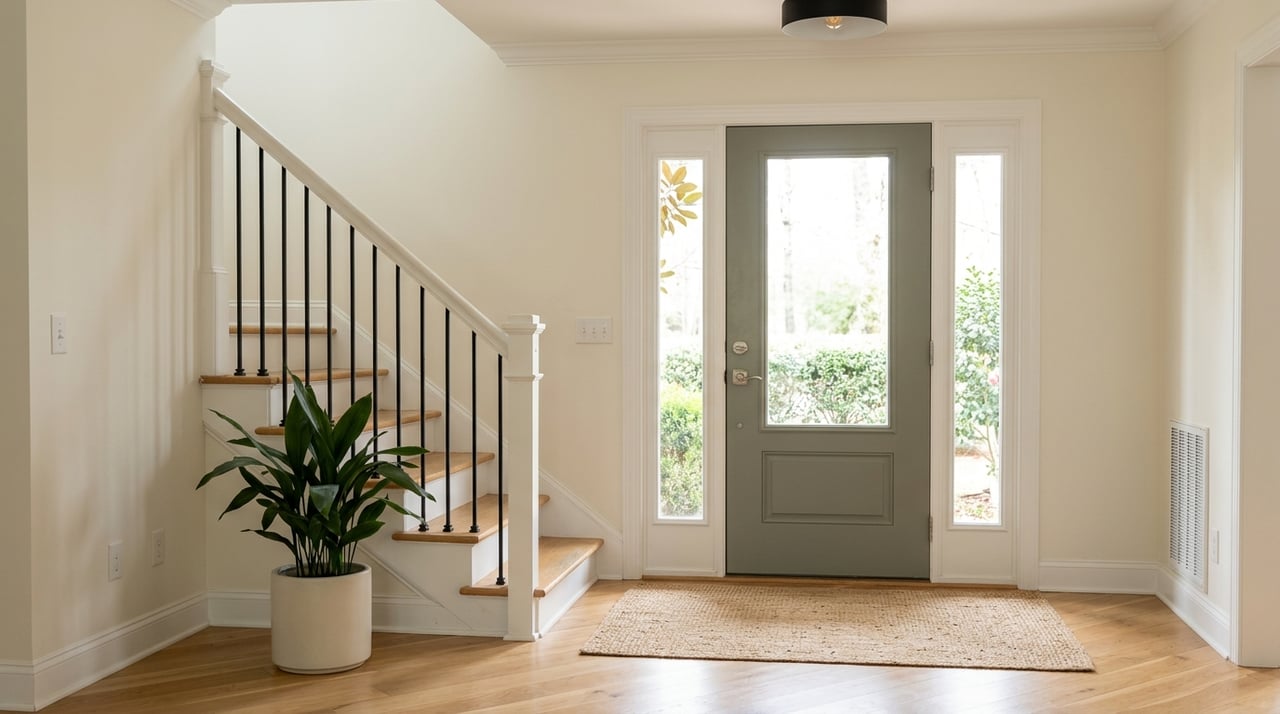
How to Prepare Your Laurens Home for Appraisal and Inspection
July 23, 2026
July 23, 2026
Worried that your Laurens home has to look perfect before the appraisal or inspection? The good news is that perfection is not the goal. What matters most is making your home safe, functional, easy to evaluate, and well documented. If you are getting ready to sell in Laurens, this guide will help you focus on the updates and paperwork that are most likely to matter. Let’s dive in.
A home appraisal and a home inspection serve different purposes, and that difference matters when you are preparing your property. A home inspection is a more detailed review of the home’s systems and components, while an appraisal is the lender’s valuation of the property.
For the appraisal, condition still matters. Fannie Mae notes that appraisers consider the home’s condition and characteristics, along with location, comparable sales, maintenance, landscaping, and market trends. That means your prep should go beyond surface-level cleaning and focus on the overall condition buyers and lenders can clearly see.
When an appraiser visits your Laurens home, they are expected to inspect accessible interior and exterior areas and note visible adverse conditions. If a room, crawlspace, garage wall, attic access, or utility area is blocked by storage or clutter, it can make the visit harder and raise more questions.
Your goal is to make the home easy to move through and easy to understand. Clear access to major systems, visible maintenance, and a tidy exterior all help create a stronger impression of care.
Appraisers look at the home’s physical condition and upkeep. Signs of deferred maintenance, damaged finishes, neglected landscaping, or visible repairs that were never completed can affect how the property is viewed.
That does not mean you need a full remodel. It does mean unfinished projects, obvious wear, and visible defects should be addressed where possible before the appointment.
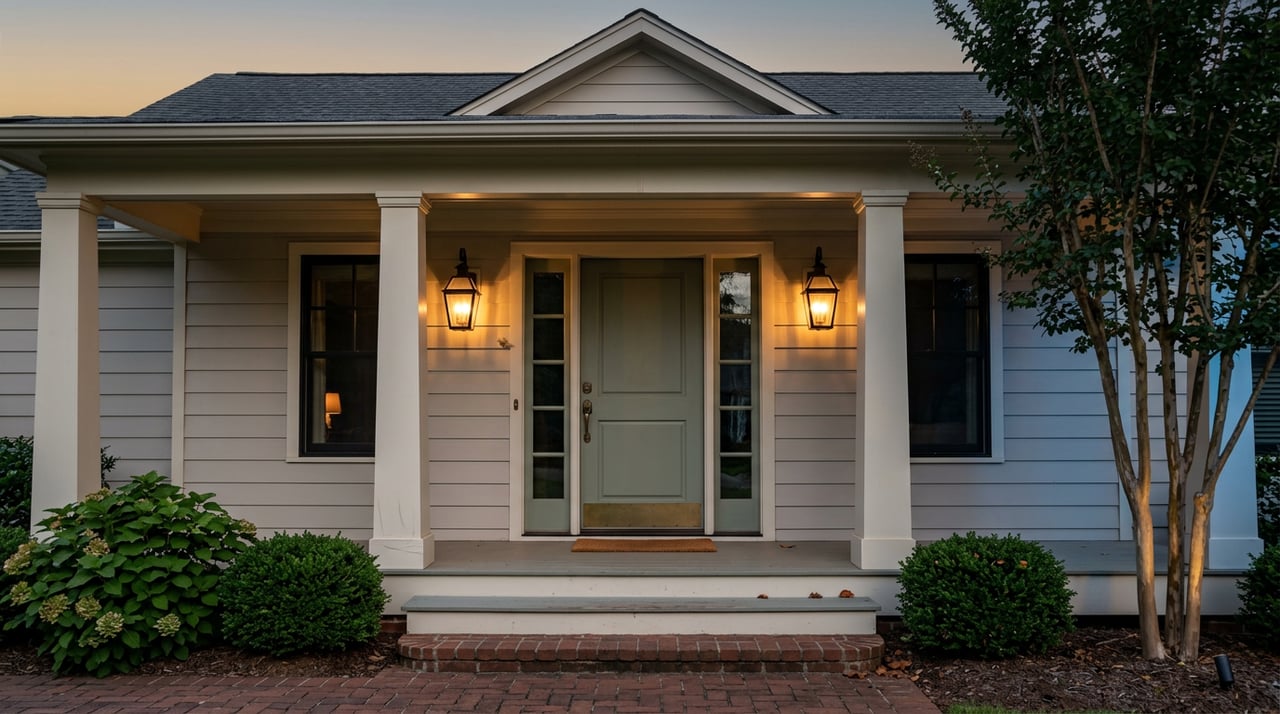
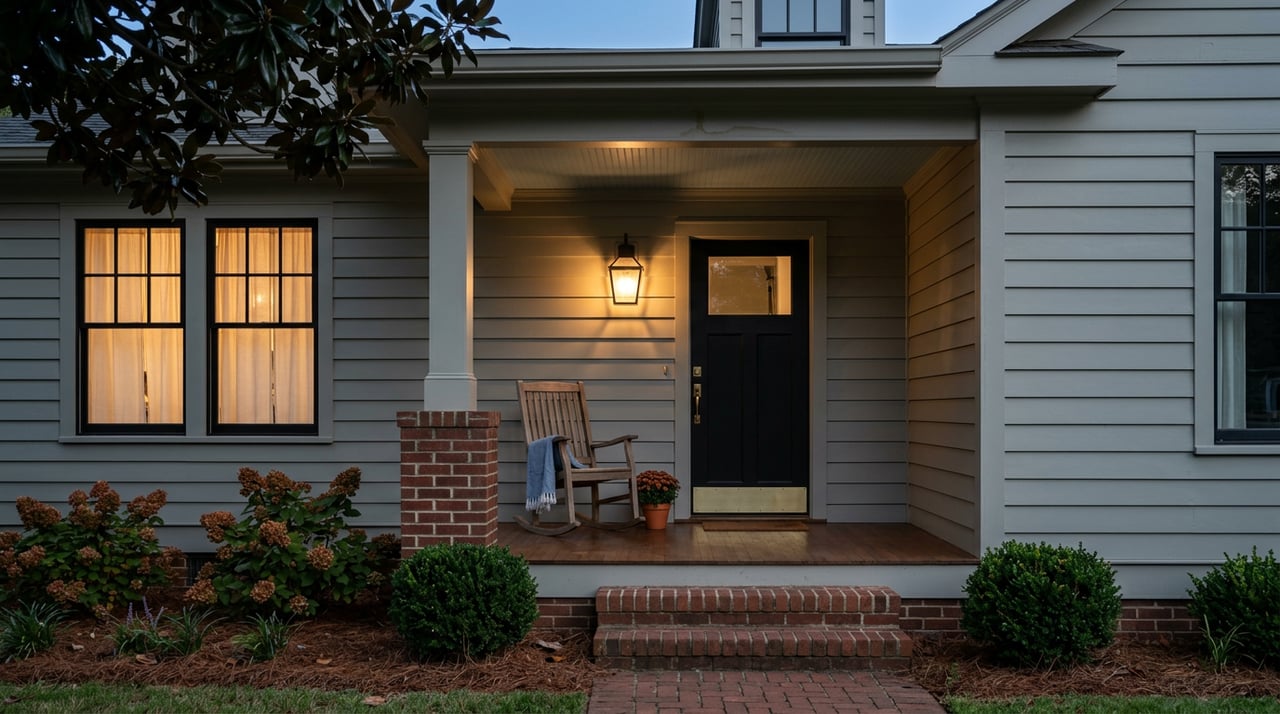
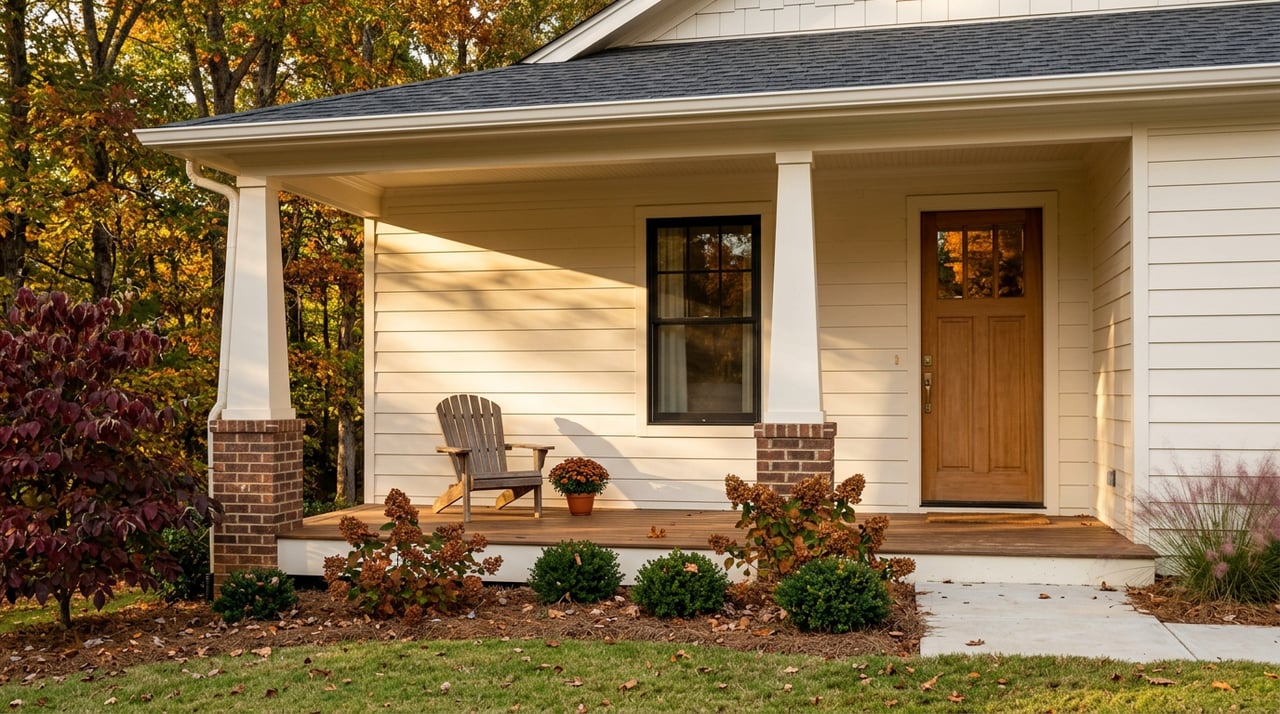
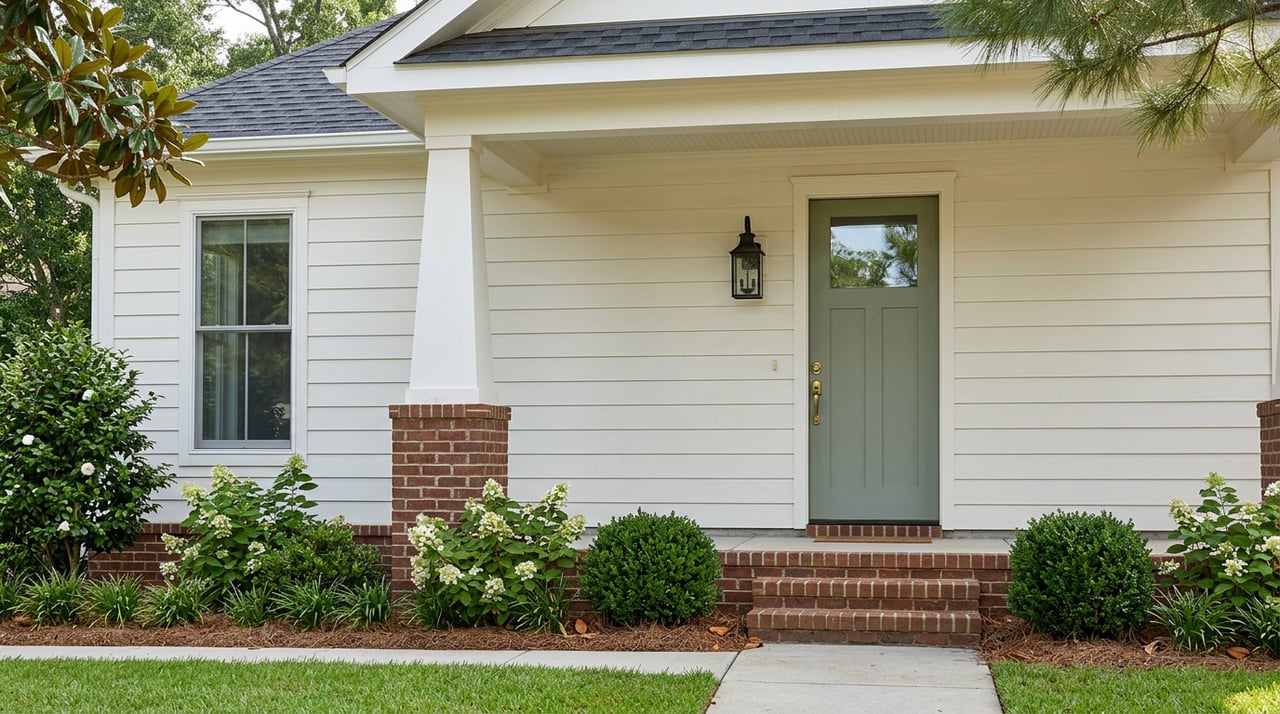
Curb appeal is not just about first impressions for buyers. Fannie Mae says appraisers consider landscaping and property maintenance, so a mowed lawn, trimmed shrubs, and cleared debris can support the overall presentation.
Simple exterior prep can include:
The buyer’s inspector will usually take a much closer look at the home’s systems and structure than the appraiser. Inspectors are there to identify defects, maintenance concerns, and signs that a larger problem may exist.
This is why sellers in Laurens often get the best return from practical prep, not expensive upgrades. Clean, working, accessible, and documented tends to matter more than trendy finishes.
If you are deciding what to fix first, put visible safety and function issues at the top of the list. Research from HUD shows that for FHA-backed loans, properties must meet minimum standards for being safe, sound, and secure.
That means problems affecting livability, occupant safety, or structural soundness deserve immediate attention. If major issues are found, a lender may require repairs before closing.
Some issues deserve extra attention because they can affect both value and marketability. Fannie Mae says appraisals must comment on evidence of infestation, dampness, or abnormal settlement.
Before your inspection or appraisal, take a close look at areas such as:
If you have already repaired one of these issues, gather the paperwork. A repair receipt, pest treatment record, or contractor report can help support your disclosure answers and reduce uncertainty.
Many Laurens sellers assume every flaw needs to be corrected before listing. In reality, some minor issues may not require major action, especially with conventional financing.
Fannie Mae notes that some homes can still be appraised as-is when issues are minor and do not affect safety, soundness, or structural integrity. Examples can include worn floor finishes, minor plumbing leaks, holes in window screens, missing handrails, and cracked window glass.
That said, minor does not always mean harmless. If a cosmetic issue hints at a deeper condition problem, it is worth looking into before the buyer’s inspector does.
Use this simple filter as you prepare your home:
This approach helps you spend money where it is most likely to protect your sale.
One of the smartest things you can do before going under contract is organize your records. In South Carolina, the Residential Property Condition Disclosure Act applies to most residential sales of one to four dwelling units and requires the owner to provide a written disclosure statement before the real estate contract is signed, unless an exemption applies.
The disclosure is not a substitute for the buyer’s inspection, and if something changes after delivery, the seller must promptly correct a material inaccuracy or change. That makes early record gathering especially important.
The South Carolina disclosure form asks about topics such as water supply, sewage disposal, roof systems, structural components, plumbing, electrical, heating, cooling, wood-destroying organisms, zoning, encroachments, HOA obligations, and related restrictions or charges.
Helpful records to gather include:
If you answered yes to a condition question on the disclosure form, South Carolina’s form allows you to explain the issue or attach a supporting report from a contractor, engineer, pest professional, expert, or public agency. That added detail can make your disclosure clearer and more complete.
If you have completed recent work on your property, permit records can be just as important as the repair itself. Inside the City of Laurens, the Planning and Development Department coordinates permit review, permit issuance, and required inspections.
The city also notes that inspections require 48-hour notice. Outside city limits, Laurens County’s Building Codes office is the local point of contact.
If your home had recent electrical, mechanical, plumbing, gas, or structural work, keep all related documents in one place. This is especially important inside the City of Laurens, where the city states that these types of changes must be completed by licensed contractors.
Your packet should include:
If your home is in a historic overlay area, exterior changes may also need an extra local review. The City of Laurens has a Historic Preservation Commission for architectural changes in relevant districts, so it is wise to confirm that any exterior work was handled properly.
If you feel overwhelmed, keep your prep focused on the items most likely to affect a transaction. You do not need to make your home brand new. You do need to make it easy for a buyer’s inspector and lender’s appraiser to evaluate.
Timing matters. Fannie Mae says the appraisal process can take anywhere from a few days to a few weeks, and inspection issues can take time to resolve.
Starting early gives you more options. You can price repairs, schedule licensed professionals if needed, gather records, and avoid a last-minute scramble once a buyer is under contract.
If you want help getting your Laurens home market-ready without overspending, Joan Timmerman can help you focus on the prep steps that matter most and guide you through the selling process with local insight and hands-on support.
Continue learning with more blogs from our team.

Whether buying or selling, we provides the guidance and service you need for success.
GET IN TOUCH
ADDRESS GREENWOOD SC 29649