June 25, 2026
June 25, 2026
Thinking about buying a historic home in Abbeville? It is easy to fall for the porches, original details, and classic streetscapes, but an older home also comes with rules, maintenance needs, and renovation decisions you will want to understand before you buy. If you know what to inspect, how the local historic district works, and which incentives may apply, you can move forward with much more confidence. Let’s dive in.
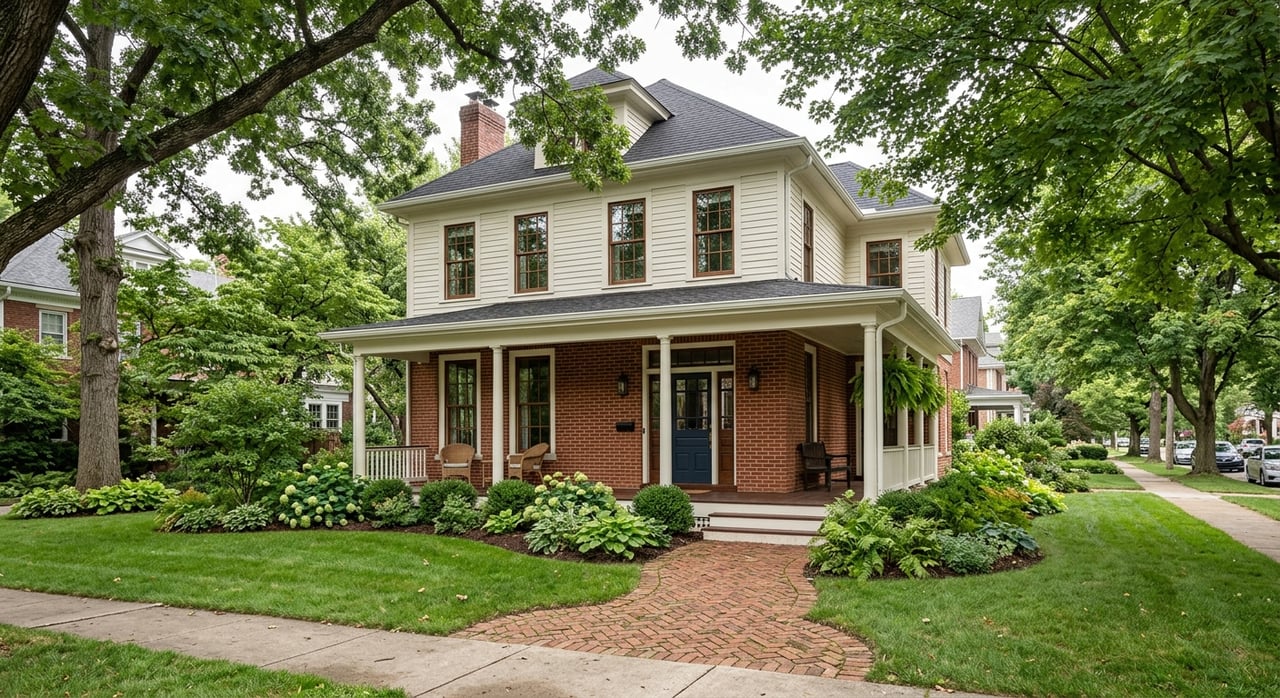
Abbeville’s historic district is a big part of the city’s identity. The city highlights dozens of 19th-century homes and turn-of-the-century architecture, and its comprehensive plan encourages preservation of historically significant homes.
For you as a buyer, that means a historic home in Abbeville offers more than charm. You are also buying into an area where architectural character is protected, and where future exterior updates may need review before work begins.
Abbeville’s Historic Overlay District is governed by City Council and the Historic Properties Protection Commission. Exterior changes within the district require either staff approval or commission approval, depending on the type of work.
This is one of the most important things to know before making an offer. A home in the district may give you flexibility for many interior updates, but the outside appearance of the property is treated differently.
In Abbeville, historic review generally focuses on exterior work rather than interior living spaces. The local ordinance says the commission typically does not consider interior arrangements or alterations unless a public interior space has been specifically designated historic.
That means you may have more freedom inside the house than you expect. Still, if you plan to change street-facing features, rooflines, windows, doors, additions, or other visible exterior elements, you should plan carefully.
Historic review and building permits are separate steps. The City of Abbeville says the county building department and city zoning office handle permits, inspections, and plan review for code compliance.
In simple terms, a project can be historically appropriate and still need normal permits. It is smart to account for both paths when you build your renovation timeline and budget.
A historic home inspection should go beyond the cosmetic details that make an older property feel special. The biggest priorities are usually water management, structural wear, electrical safety, and the overall condition of major systems.
Not every issue is a dealbreaker. The key is to separate ordinary aging from repairs that could affect safety, cost, or your move-in plans.
Start at the top. Routine building guidance points to worn shingles, damaged flashing, and clogged gutters as common issues that can lead to bigger problems if they are ignored.
If water is not being moved away from the house properly, you may end up dealing with stains, rot, masonry damage, or hidden moisture issues. On an older home, that can quickly turn a manageable repair into a more expensive project.
Historic homes often have exterior materials that need close attention. Loose mortar, cracks, rotted trim, damaged siding, and porch deterioration can all point to deferred maintenance.
These problems are not unusual in older houses, but they do affect your costs after closing. If you see visible wear on the outside, ask your inspector to help you understand what is cosmetic and what needs prompt repair.
South Carolina’s humid subtropical climate makes moisture control especially important. Hot, humid summers and moist air can contribute to attic condensation, mildew, and long-term material wear if ventilation is poor.
That is why attic ventilation deserves real attention during due diligence. A historic home can be beautiful and solid, but moisture problems left untreated can shorten the life of roofing, wood components, and insulation.
Older homes can have outdated electrical systems, limited capacity, plumbing leaks, or HVAC equipment near the end of its useful life. Official building inspection guidance specifically calls out insufficient electrical capacity, leaks in water and waste pipes, and signs of water intrusion.
These are the kinds of findings that matter most when you are deciding whether a home fits your budget. A pretty front porch is great, but safe and functional systems are what make ownership predictable.
In South Carolina, termites are a major structural pest concern. In a historic home, evidence of pests should be taken seriously because hidden damage can affect framing and other structural components.
Ask for a careful review of crawlspaces, wood trim, porches, and other vulnerable areas. Pest history does not always mean you should walk away, but it should shape your repair planning.
If the home was built before 1978, lead-based paint is a real possibility. Public health guidance says lead dust is often found around windows, doors, floors, porches, stairways, and cabinets.
This does not mean every older home is unsafe, but it does mean you should be informed. If you plan to renovate and that work could disturb painted surfaces, lead inspection or risk assessment is worth discussing early.
Projects like scraping, sanding, and window work can disturb lead paint. For homes built before 1978, renovation work that disturbs painted surfaces must follow lead-safe work practices, and firms doing that work must be certified under EPA rules.
For you, the practical takeaway is simple. If you are budgeting repairs or updates, make sure your contractor understands lead-safe requirements from the start.
Many buyers love the idea of improving a historic property over time. That can be a great plan, but in Abbeville it helps to understand which projects are more likely to move smoothly and which ones require deeper review.
The local ordinance allows staff approval for many minor exterior items. That can include same-material window replacement, roof work that keeps the original design and material type, masonry repairs, and some mechanical-system relocation.
Even so, “minor” does not mean “skip the review.” It is always better to confirm requirements before you order materials or hire a crew.
More significant exterior changes often go to the Historic Properties Protection Commission. That includes visible additions, demolition, new openings, changes to roof shape, and other contextual changes.
If your dream house needs a large porch rebuild, an addition, or a redesigned facade, factor that review process into your timeline. It is much easier to plan ahead than to redesign a project later.
Abbeville encourages pre-application review with drawings, photographs, specifications, and material samples before significant spending. The city’s process is documentation-heavy, which makes preparation important.
This is where the right contractor can make a big difference. You want professionals who are comfortable providing clear material details and working in a preservation review setting.
Buyers often assume old windows have to be replaced right away. In many historic homes, that is not always true.
National Park Service guidance notes that historic windows and doors can often be repaired or upgraded instead of fully replaced. In Abbeville, minor-work standards also favor same-material replacements and retaining original size, shape, and configuration.
That can be helpful if you want to improve comfort without changing the home’s character. Before you make assumptions, get a preservation-minded opinion on whether repair, weatherization, or selective replacement makes the most sense.
Historic-home incentives can be valuable, but they are not automatic and they do not all work the same way. This is one area where many buyers get surprised.
Abbeville’s Bailey Bill ordinance may apply if you plan a major rehabilitation. To qualify, the property must be in the city’s historic district and at least 50 years old, or be listed on the National Register of Historic Places.
Eligible rehabilitation expenses must be appropriate to the historic building and district, meet the Secretary of the Interior’s Standards, equal at least 50 percent of the property’s current assessed or appraised value, and be completed within two years of preliminary approval. If approved, the property’s assessed value is frozen for 10 years at the pre-rehabilitation level.
South Carolina also offers a 25% state historic rehabilitation tax credit for owner-occupied residences. That can be an important benefit for buyers planning qualified improvements to a primary home.
Just remember that this is different from the federal historic rehabilitation credit. The federal credit applies to depreciable income-producing properties, not owner-occupied homes.
Historic homes are often rewarding to own, but they usually work best for buyers who go in with a clear plan. A thoughtful purchase approach can help you enjoy the character of the home without feeling caught off guard after closing.
Here are a few smart steps to take:
Buying a historic home in Abbeville can be a wonderful fit if you value character, craftsmanship, and a sense of place. The key is to treat the purchase as both an emotional decision and a practical one.
When you understand the district rules, inspect the right systems, and plan renovations carefully, a historic property becomes much easier to evaluate. If you want local guidance on buying in Abbeville or nearby communities, Joan Timmerman can help you navigate the process with steady, knowledgeable support.
Continue learning with more blogs from our team.
Whether buying or selling, we provides the guidance and service you need for success.
GET IN TOUCH
ADDRESS GREENWOOD SC 29649