Lake Greenwood Lakefront vs Lake-Access: What to Know
June 11, 2026
June 11, 2026
If you love the idea of life on Lake Greenwood, one question matters more than almost any other: do you want the shoreline in your backyard, or do you want access to the lake without taking on full waterfront ownership? That choice can shape your budget, your daily routine, and the kind of maintenance you take on. If you are weighing lakefront versus lake-access living in the Greenwood area, this guide will help you compare the real differences so you can choose with confidence. Let’s dive in.
Lake Greenwood is a large reservoir in the Greenwood area with about 11,400 acres of water. South Carolina sources describe it as roughly 26 miles long, with shoreline estimates that vary by source, so it is best to think of the shoreline as approximate rather than fixed.
It is also a working, managed lake. Greenwood County says the lake is governed by a federally mandated Rule Curve for water levels, and the county handles key lake management issues such as encroachment permits, registrations, shoreline management, inspections, and public access areas.
That matters because buying near the lake is not only about the view. It is also about how you plan to use the water, what level of control you want, and how much responsibility you are comfortable managing.
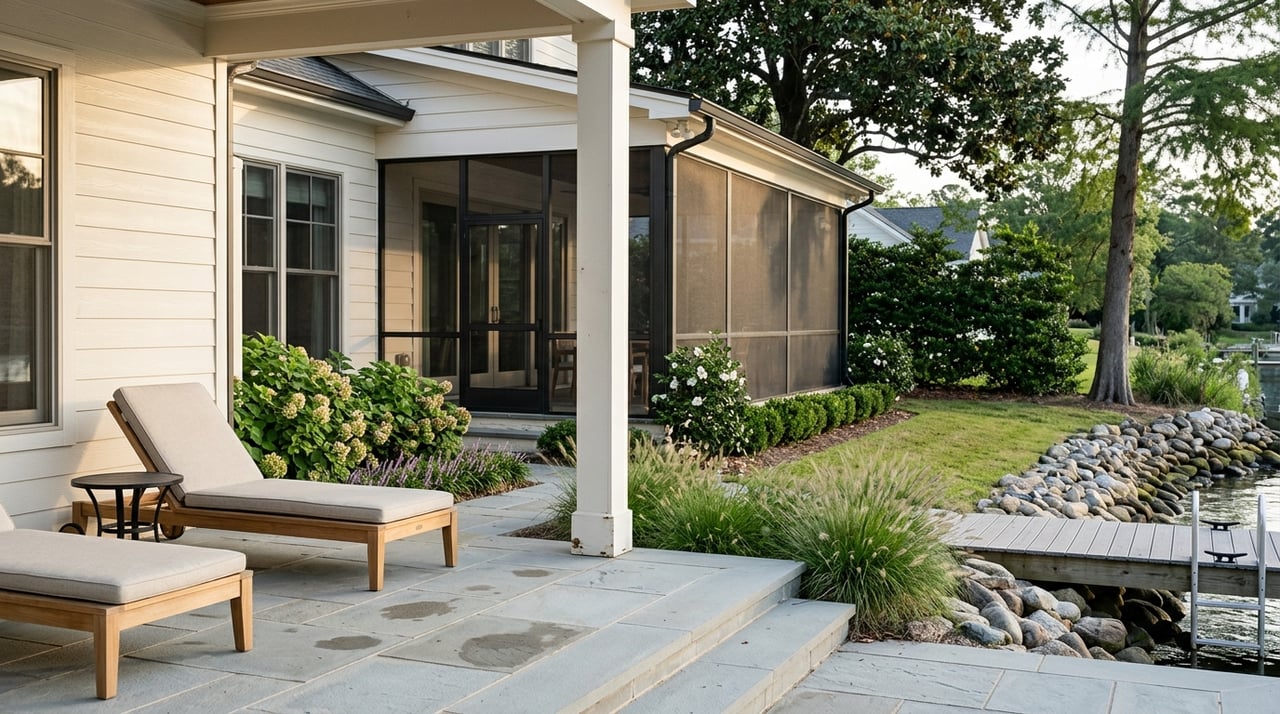
Lakefront living on Lake Greenwood usually means your property has direct shoreline access. In practical terms, that can mean stepping outside to enjoy the water, launching into your day on your own schedule, and having a more private connection to the lake.
For many buyers, that convenience is the biggest draw. If you boat often, fish regularly, or want easy, spontaneous water time, true lakefront ownership can make daily life feel simpler and more flexible.
It can also carry a meaningful price premium. Current listing examples reviewed in spring 2026 included homes priced at $864,500, $1.45 million, and $1.699 million, and one listing highlighted about 130 feet of waterfront along with a dock and covered boat lift. Those examples show how strongly the market values immediate private water access.
The clearest advantage of lakefront is control over your everyday lake use. You are not coordinating around a shared launch area or loading up the car for a trip to a public ramp. You can enjoy the water from your own property, subject to the rules that apply to the shoreline and any approved structures.
That kind of access can be especially appealing if the lake is part of your regular routine rather than an occasional weekend activity. For frequent users, convenience often becomes just as important as the view itself.
Owning the shoreline comes with more than scenery. Greenwood County defines encroachments to include things like docks, piers, boat ramps, retaining walls, and similar improvements, and those items may require county approval.
The county also notes that dock fees are annual and due by September 1. Permit denials can happen in some cases, including property-line issues or protected habitat areas, so buying a lakefront lot does not automatically mean every shoreline project will be approved.
There may be additional permitting considerations too. Duke Energy says dock or pier work, shoreline stabilization, dredging, and contractor use of Duke-owned access areas require permits. In short, lakefront ownership gives you more direct use, but it also brings shoreline-management responsibilities.
This is an important Lake Greenwood detail that many buyers do not realize at first. Greenwood County says it owns the lake and regulates encroachments around the entire lake, even where nearby land sits in other counties.
That means you may own the homesite, but changes that extend into the lake bed can still require approval. If you are comparing lakefront properties, it helps to look beyond the home and ask detailed questions about the shoreline, existing improvements, and future plans.
Lake-access living offers a different path to the same lake lifestyle. Instead of owning the shoreline directly, you buy into a community or neighborhood where water access is shared through common amenities such as a marina, boat slips, a community ramp, or storage areas.
For many buyers, this setup creates a smart middle ground. You stay close to the lake and enjoy the lifestyle, but you may avoid much of the direct shoreline upkeep that comes with full waterfront ownership.
Lake-access homes can also open the door at a lower price point. The market often positions these properties as a way to enjoy Lake Greenwood without paying full waterfront prices.
On Lake Greenwood, some communities make lake-access living about more than the water alone. Grand Harbor, for example, markets a private community setting with an award-winning golf course, a private lakeside marina, an equestrian facility, tennis and fitness amenities, a swim center, and homes starting in the $500s.
Its marina includes 76 slips for members along with lakeside gathering spaces and waterfront dining. For some buyers, that combination of water access and broader amenities is more appealing than private shoreline ownership.
Eagles Harbor offers another example of organized lake-oriented living. Community rules identify the marina, docks and slips, ramp, beach area, gazebo, and boat and trailer storage as common property, while also noting that docks and ramps remain subject to Greenwood County rules.
The trade-off with lake-access living is that your access is organized through community rules and shared property. You may gain convenience and lower maintenance, but you usually give up some privacy and some control over how the water features are used.
That may not be a drawback if your lake time is occasional or if you prefer a neighborhood setting with established amenities. Still, it is worth reviewing community rules, dues, and access details carefully before you buy.
One reason this comparison is so relevant in Greenwood is that you do not have to own lakefront property to enjoy the lake. South Carolina sources note public access through public ramps, local parks, and Lake Greenwood State Park.
SCDNR lists public ramps at Greenwood State Park, Highway 34, and Greenwood Shores subdivision. That gives buyers another layer of flexibility, especially if they want to be near the water without purchasing direct frontage.
Lake Greenwood State Park is a major recreation anchor on the lake. The campground includes 125 paved sites with water and electrical hookups, plus showers and restrooms, and the park provides easy shoreline access.
At the same time, public access is not the same as walking out to your own dock. The park also notes there is no designated swimming area or lifeguards, and swimming is at your own risk. For many buyers, that difference helps clarify whether they want private convenience or are comfortable with shared public options.
Here is a simple way to compare the two lifestyles on Lake Greenwood:
| Feature | Lakefront Living | Lake-Access Living |
|---|---|---|
| Water access | Direct from your property | Shared through community amenities or public options |
| Privacy | Usually higher | Usually more shared |
| Control | More control over daily use | More community structure |
| Maintenance | More shoreline upkeep and permitting | Less direct shoreline responsibility |
| Cost | Often higher | Often lower than true waterfront |
| Best fit | Frequent lake users | Buyers who want balance and convenience |
The right choice usually comes down to how you actually plan to use Lake Greenwood. If you picture yourself on the water often, want the flexibility to go out whenever you like, and value privacy, lakefront may feel worth the added cost and responsibility.
If you are more of a weekend user, prefer a lower-maintenance setup, or like the idea of a neighborhood with amenities beyond the lake, lake-access living may be the better fit. Communities that combine marina access, storage, and social amenities can offer a strong lifestyle match without requiring direct shoreline ownership.
The biggest trade-off is control versus convenience. Lakefront gives you more direct access and more independence, while lake-access often gives you easier ownership with more shared structure.
Before you decide, it helps to ask practical questions that match the Lake Greenwood market:
Your answers can make the decision much clearer. A lake home is not only a property purchase. It is also a lifestyle choice.
When you are comparing lakefront and lake-access homes around Greenwood, local context matters. From community rules to shoreline permits to the way different neighborhoods package lake living, details can vary from one property to the next. If you want help sorting through the options, Joan Timmerman can help you compare properties, understand the trade-offs, and find the Lake Greenwood fit that feels right for you.
Continue learning with more blogs from our team.

Whether buying or selling, we provides the guidance and service you need for success.
GET IN TOUCH
ADDRESS GREENWOOD SC 29649