Thinking about buying a home with room to breathe near Cross Hill? Acreage living in Laurens County offers space, privacy, and the freedom to create your own setup. It also comes with a few extra steps that normal neighborhood homes rarely require. In this guide, you’ll learn how to check access, zoning, utilities, outbuildings, and ongoing maintenance so you can buy with confidence. Let’s dive in.
Why acreage near Cross Hill works
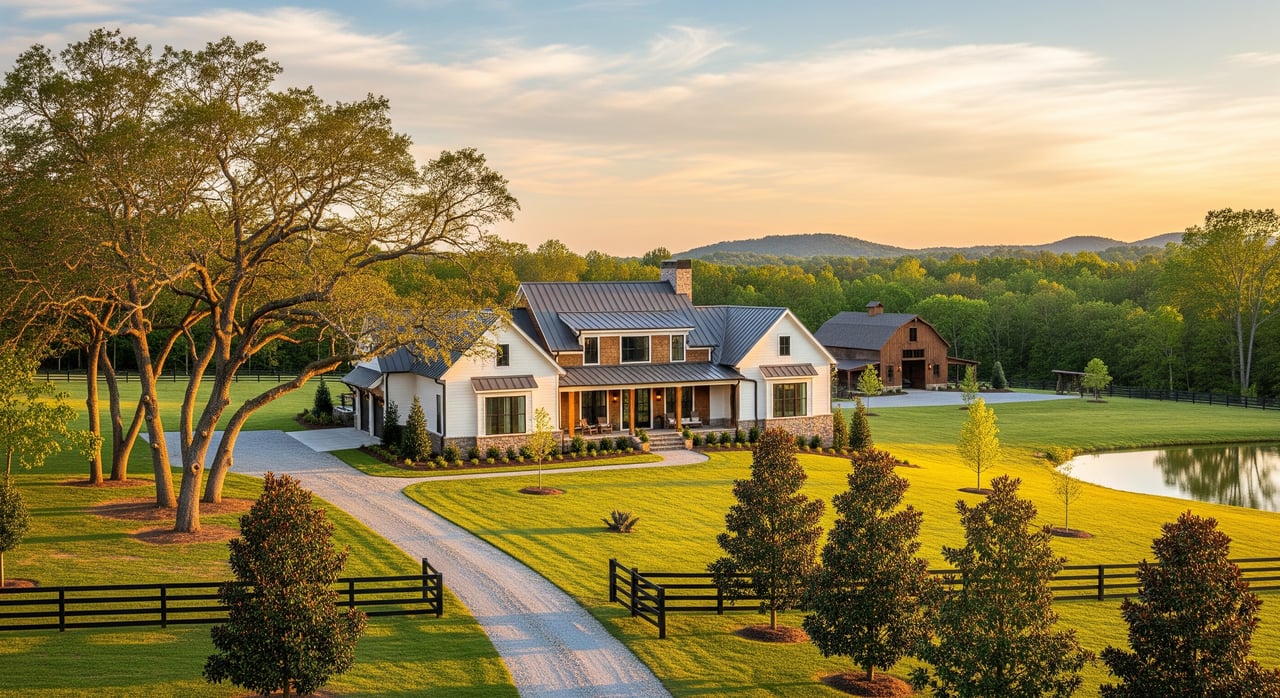
If you want 1–20 acres for a home, hobby garden, or simple elbow room, the Cross Hill area is a great fit. Rural parcels here can give you a quiet setting while keeping you within reach of Greenwood and Laurens services. To make the most of your land, you’ll want a plan for access, utilities, and any buildings you hope to add. The sections below walk you through what to verify before you write an offer.
Access and frontage basics
Access is the first thing to confirm. You need to know how you legally reach the property and who maintains the road.
- Public vs private road: Public roads are maintained by SCDOT or Laurens County. Private roads or shared drives are maintained by owners and often rely on a written maintenance agreement.
- Frontage vs easement: Deeded frontage means your parcel touches the road. If not, you will need a recorded access easement. Check the deed and recorded plat.
- Road condition: Gravel or dirt roads can get muddy after heavy rain. Note seasonal conditions and whether culverts and ditches move water properly.
- Driveway permits: New or changed driveways that connect to a state or some county roads may require a permit. These rules help with sight distance and drainage.
Access documents to request
- Recorded deed and plat
- Any access or utility easements
- Road maintenance agreements for private roads
- Notes from Laurens County and SCDOT on road type and driveway permit needs
Zoning, land use, and permitting
Zoning sets the rules for what you can build and how you can use the land. These rules vary by district within Laurens County.
- Allowed uses: Confirm if the zoning allows your planned residential use and any accessory uses, such as a small hobby farm or home-based business.
- Setbacks and height: Check front, side, and rear setbacks before choosing a homesite or placing a barn or shed. Height limits and lot coverage may also apply.
- Manufactured or modular homes: Some districts have special placement and foundation rules.
- ADUs and rentals: Accessory dwellings and short-term rentals may have limits or require permits.
Planning to subdivide later?
If you may split the land in the future, check minimum lot sizes, frontage requirements, and the county subdivision process and fees. Some splits call for road upgrades, utility extensions, or approvals before recording.
Agricultural and forestry tax treatment
Many counties offer use-value programs that can reduce taxes for qualifying agricultural or forestry land. Eligibility usually requires active use, documentation, and periodic updates. Confirm current rules with the Laurens County assessor before you assume any tax savings.
Utilities and on-site services
Many acreage parcels near Cross Hill are not on public water or sewer. Plan ahead so your homesite is practical and comfortable from day one.
Electricity and energy
- Electric service may be from an investor-owned utility or a local electric cooperative.
- If lines are not nearby, you may pay for a line extension to your homesite or barn.
- Consider a generator and propane for backup power or for heating and cooking where gas mains are unavailable.
Water supply: wells vs public water
- Public water is not guaranteed. Many parcels use private wells.
- Ask for well logs, depth, water quality tests, and pumping rate if a well exists.
- If no well is present, confirm that a new well can be drilled and budget for cost, siting, and permitting.
Septic systems
- Most rural homes use septic. You will need a soil evaluation and a permit before installing a new system.
- If a septic system already exists, request permit records and service history. Regular pumping every 3–5 years is common for typical households.
Internet and phone
Broadband varies by location. Options may include fixed wireless, DSL in limited areas, cable closer to towns, satellite, or cellular data. Verify real-world speeds on site, since coverage can be spotty in wooded or low-lying areas.
Fencing, outbuildings, and site improvements
Upfront planning will keep your projects compliant and safe.
Livestock and fences
- Confirm any fence setbacks from roads, wells, and streams.
- Check whether existing fences align with the recorded boundary to avoid encroachments.
- Understand liability for animals that escape or open gates on shared private roads.
Outbuildings, barns, and sheds
- Many barns and large outbuildings require a building permit. Smaller sheds may be exempt depending on size.
- Setbacks and building codes matter for animal housing and for storing fuels or chemicals.
Ponds, streams, and drainage
- New ponds or dams often need state permits. Streams and wetlands can fall under state and federal rules, which may limit where you build and how you alter land.
- Driveways that cross ditches need correctly sized culverts. Good stormwater management protects your road and yard.
Maintenance and budgeting
Acreage living comes with ongoing care. Plan early and set a realistic budget.
- Roads and drives: Grading, gravel, and culvert upkeep on private roads and long driveways.
- Mowing and brush: Pasture mowing, tree and brush clearing, and storm cleanup.
- Fencing: Routine checks and repairs, especially after storms.
- Septic and well: Pump septic every 3–5 years for typical use; test well water and service components as needed.
- Insurance and taxes: Confirm coverage for detached structures, livestock, or hobby farm activities. Review tax status annually, especially if applying for use-value programs.
Unexpected expenses can be significant. Examples include rebuilding a washed-out driveway, running power farther than expected, rehabilitating a low-yield well, or replacing a failed septic system.
How to evaluate property in person
A focused site visit saves you time and money. Use this outline to confirm what matters most.
What to bring
- Recorded plat and parcel ID
- Aerial map saved to your phone or tablet
- Contact info for the listing agent and relevant county offices
What to check on site
- Road condition and how it connects to public roads; note gates and signs
- Driveway and culvert locations and drainage
- Clear sightlines for a future driveway
- Utility poles, meters, and nearby service lines
- Existing wellhead, any well label or cover, and visible septic components
- Building sites with good slope, drainage, and sun exposure; watch for rock, wetlands, or low areas
- Fences and boundary markers; compare to the plat and note any mismatches
- Outbuildings: overall condition, roof, foundation, and evidence of permits or inspections
- Signs of flooding or standing water, such as cattails or soggy soils
- Neighboring uses and visible nuisances like traffic noise or intensive livestock
- Cell signal strength in multiple spots; look for nearby internet equipment
Who to ask
- Neighbors about road maintenance history, previous flooding, groundwater depth, and utility reliability
- Local well drillers, septic contractors, and general contractors for on-site estimates and practical advice
Next steps and local guidance
- Start with documents: deed, recorded plat, parcel ID, tax records, and any easements or covenants.
- Verify access type, road maintenance duties, and any driveway permit needs with the proper agencies.
- Confirm utility availability and get well and septic documentation if present.
- Plan a single tour day with the checklist above and invite key vendors if possible.
- Before closing, order a current boundary survey if lines or fences are uncertain, and secure title insurance.
If you want a local, hands-on partner, our Greenwood-based team can help you navigate each step, from zoning questions to vendor introductions. For tailored guidance on acreage homes near Cross Hill and the Lake Greenwood corridor, connect with Joan Timmerman. We will help you evaluate parcels, avoid surprises, and move forward with confidence.
FAQs
What should I verify about road access on rural acreage near Cross Hill?
- Confirm whether access is on a public or private road, whether you have deeded frontage or a recorded easement, and whether a private road has a written maintenance agreement.
How do Laurens County zoning rules affect small hobby farms or homesteads?
- Check your parcel’s zoning district to confirm allowed residential and accessory uses, setbacks for homes and barns, and any rules for animals, sheds, or home-based businesses.
What are typical steps to bring power to an acreage homesite?
- Identify the local electric provider, confirm the location of nearby lines or poles, and request any extension costs or service requirements before you finalize a homesite.
How can I confirm if a parcel near Cross Hill can support a septic system?
- Request prior permits and service records if available, and arrange a soil evaluation and permit application through the proper health authority before building.
Are ponds or streams on my acreage a problem for building?
- They can limit buildable area and may require permits for alterations; plan your homesite and driveway to respect buffers and address stormwater safely.
Do I need a new survey when buying 5–10 acres in Laurens County?
- If boundaries or fence lines are unclear, a current boundary survey helps confirm acreage, reveals easements, and reduces risk for both buyer and seller.