Choosing Between Grand Harbor and Newport on Lake Greenwood
December 18, 2025
December 18, 2025
Trying to choose between Grand Harbor and Newport on Lake Greenwood? You are not alone. Both communities attract buyers who want water access, amenities, and a relaxed Upstate lifestyle, yet the details can feel complex when you start comparing docks, dues, and club access. In this guide, you will learn what to verify, how to line up tours, and a simple checklist to match each community to the way you live. Let’s dive in.
Grand Harbor and Newport sit on Lake Greenwood within Greenwood County in ZIP code 29649. County and state rules can influence shoreline work, dock permitting, and septic versus sewer connections. That means you should confirm jurisdiction and boundaries with Greenwood County offices and community maps as part of your due diligence. Inventory on the lake changes quickly, so use recent MLS sales when you start shaping a budget.
Many waterfront neighborhoods are gated or have controlled access. Plan ahead by arranging community entry through a listing agent, a community office, or the HOA. If you want to bring a boat for a look at water access, ask about guest policies and ramps in advance.
Start with the legal framework. Find out whether the neighborhood has a master HOA, sub-associations, or both, and which entity maintains roads, common areas, and any shared lake access. Ask for current assessments, whether they are billed monthly, quarterly, or annually, and exactly what they cover such as landscaping in common areas, gate operations, or pool upkeep.
Confirm the reserve fund and any history of special assessments. Request meeting minutes and the current budget. These details help you understand financial health and the chances of future fee changes.
Request the Covenants, Conditions and Restrictions and architectural guidelines. Look for the application process and timeline for exterior changes, additions, fencing, and dock improvements. Ask about any restrictions that could affect your plans, like materials and color palettes. If you are considering a remodel or a new build, knowing the ARC process up front can save time and surprises later.
Short-term rental policies vary by community. If you plan to host visitors or consider renting part-time, confirm what is allowed. Review guest parking rules and how violations are handled, including appeals. Understanding enforcement and fines tells you how the community preserves standards and what to expect if issues arise.
Confirm whether any golf facilities connected to the community are private, semi-private, or public. Ask if membership is mandatory for residents or optional. Request the membership packet with initiation and dues information, plus any resident incentives. If you play occasionally, look for guest tee time policies. If you play often, focus on access, pace of play, and practice facilities.
Clubs often host dining, events, and activities. Ask about tennis or pickleball courts, a fitness center, pools, and a calendar of social gatherings. If your ideal week includes league nights or group classes, make sure programming fits your schedule and interests.
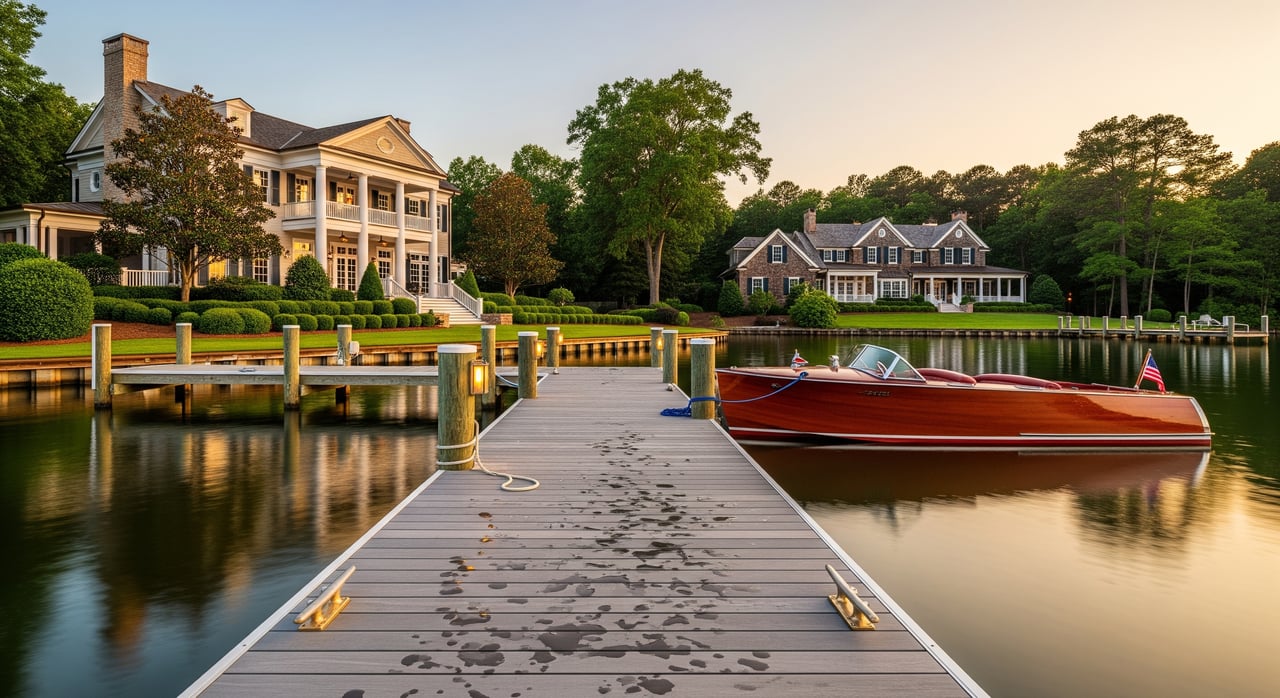
Lake access can be managed by an HOA-run marina, a private marina, or individual docks on waterfront lots. Ask who owns and manages slips, how many are available, and whether there is a wait list. Confirm any assignment rules that might tie a slip to a lot or require a separate lease. For boaters, this is often the deciding factor between communities.
Verify whether there is an on-site boat launch, as well as rules for trailer storage. Some communities offer guest or transient slips, while others limit use to residents. If you host friends often, guest access can be a meaningful convenience.
Ask about any nearby no-wake zones, seasonal water-level patterns, and known navigation hazards. Clarify who maintains docks and shoreline stabilization, and what insurance is required. For waterfront owners, ownership and maintenance responsibilities can affect your annual costs.
Review the community amenity list and operating hours. Many lake neighborhoods offer clubhouses, pools, fitness rooms, and courts. If you enjoy walking or biking, look for paths or green space. Confirm reservation policies for event rooms if you plan to host gatherings.
Understand what the HOA covers beyond common areas. Ask about options for lawn care or exterior maintenance if low upkeep is a priority. If gated entry matters, confirm gate staffing, visitor procedures, and how guest passes are managed.
Proximity to grocery stores, pharmacies, and medical services can shape your routine. When you tour, map drive times to your most frequent errands and to Greenwood’s downtown core. If you commute, note peak-hour travel patterns.
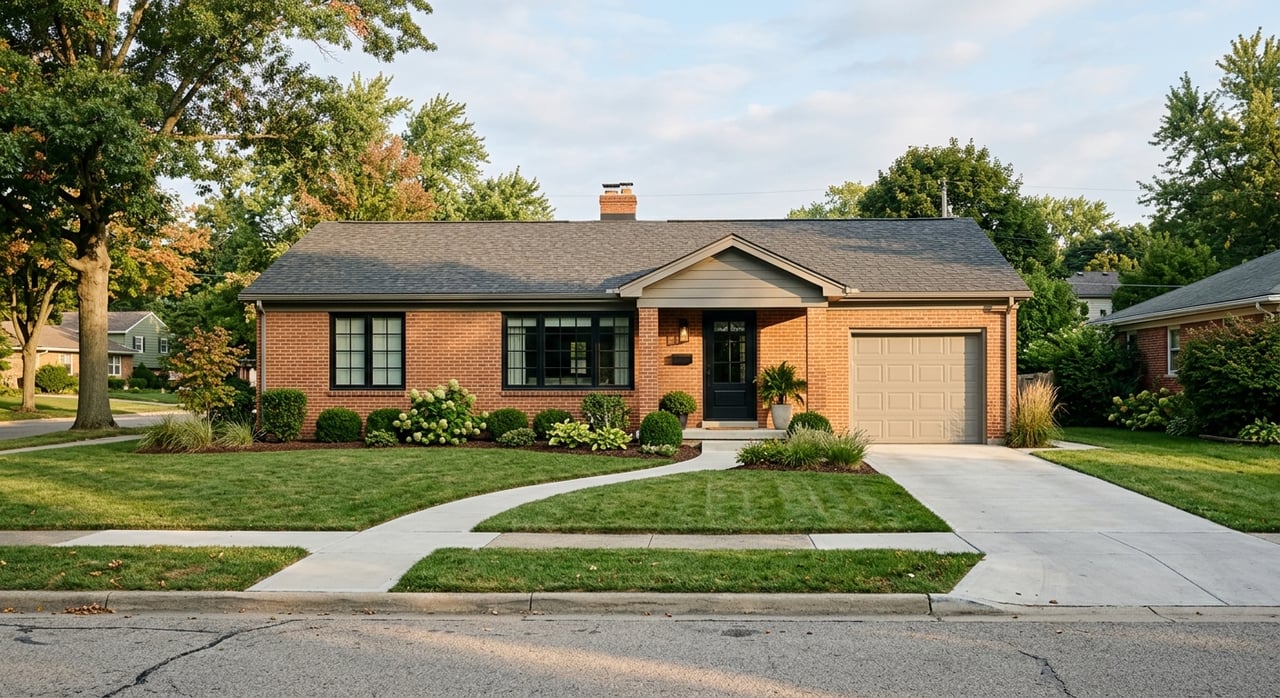
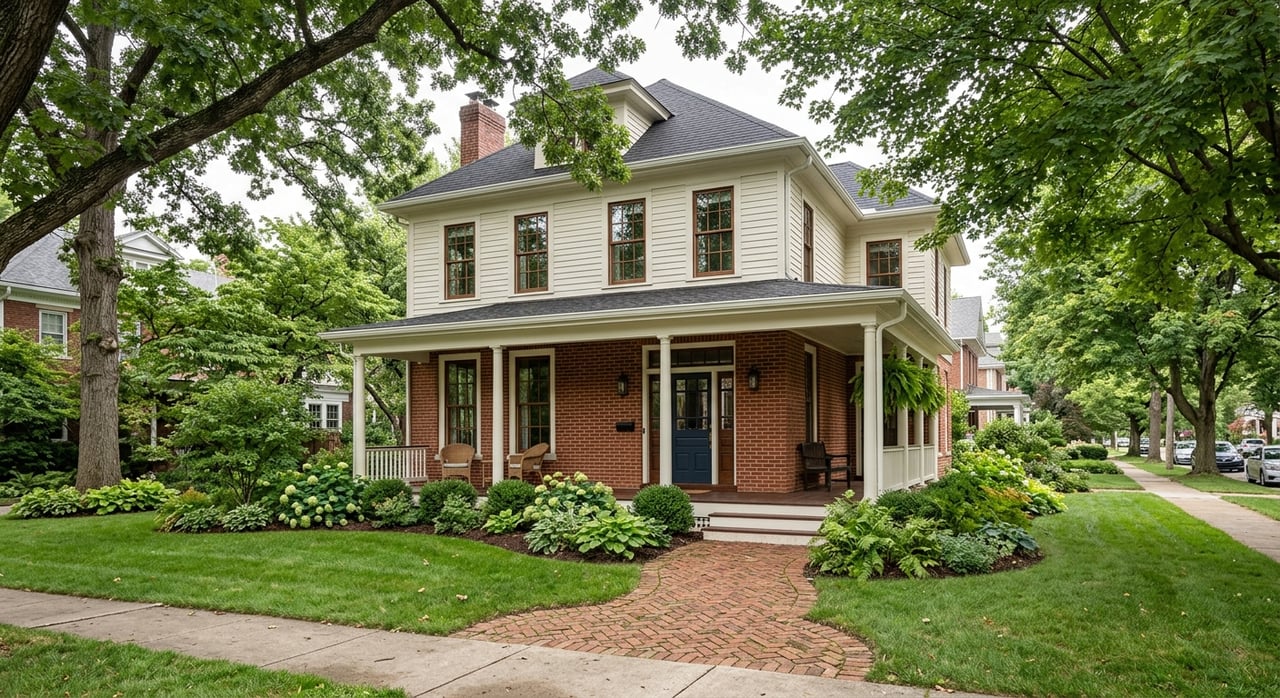
Expect a mix that can include ranch plans, two-story traditional homes, Craftsman-inspired designs, and custom lakefront builds. Lots may be true waterfront with private dock rights, near-water with a short walk, interior lots with access to amenities, or golf course views if a course is nearby. Each lot type brings different views, privacy, and potential restrictions.
Homes in established neighborhoods may span a wide range of build years. Older homes can shine after thoughtful updates, but plan to review systems like roofs, HVAC, and septic or sewer connections. If you are evaluating a new build or a major renovation, ask about ARC timelines and builder familiarity with community standards.
The most accurate way to plan is to review the last 6 to 12 months of MLS data for each community. Separate sales into categories such as waterfront single-family, non-waterfront single-family, and golf course lots if applicable. Compare median and average price in each category, as well as days on market. This shows demand and gives you realistic expectations.
Build a simple annual cost snapshot that includes HOA dues, any separate club dues, marina or slip fees, insurance, utilities, and maintenance. Ask whether trash, cable, or internet are included or optional. If a community has a strong reserve fund and recent improvements, that can reduce the likelihood of special assessments.
Compare 3 to 5 years of sales trends in each neighborhood. Look at appreciation patterns, turnover, and how quickly different lot types sell. Waterfront homes with private dock rights often command premiums, while proximity to amenities like a marina or clubhouse can influence value and time on market.
Use this checklist during tours to match each community to your lifestyle. For each item, confirm the current status with HOA, marina, and club offices.
Before you visit, ask your agent to gather the following so you can compare on equal footing:
With more than 22 years of local experience, our team guides you through the neighborhood-level details that make or break a lake purchase. We coordinate access for gated tours, gather HOA, club, and marina documents, and help you read the fine print. We build an apples-to-apples budget so you can see how dues, slips, and maintenance fit your lifestyle.
If you want to walk docks, measure water access, or review shoreline stabilization, we line up the right people and appointments. Our local network includes inspectors, appraisers, and vendors familiar with Lake Greenwood communities. You get clear, timely information so you can choose the community that truly fits.
When you are ready to explore Grand Harbor and Newport, we are here to help you move forward with clarity and calm. Schedule your visit and document review with Joan Timmerman today.
Continue learning with more blogs from our team.
Whether buying or selling, we provides the guidance and service you need for success.
GET IN TOUCH
ADDRESS GREENWOOD SC 29649